July 12, 2023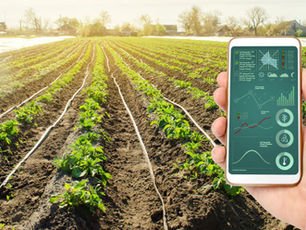
GeoAI in Crop Analytics: Revolutionizing Agriculture
Agriculture has always been one of the most important industries for human survival. Today, agriculture is facing new challenges, such as climate change, food security, and environmental degradation. With the advent of GeoAI, agriculture is being transformed by new technologies that combine geospatial data and artificial intelligence (AI). Here are some ways in which GeoAI is being used in crop analytics:
Precision Agriculture: GeoAI is being used in precision agriculture to optimize crop management. By analyzing geospatial data on soil moisture, temperature, and nutrient levels, AI models can provide insights into crop health and growth rates. This can aid in decision-making, such as determining the optimal time for planting, applying fertilizers, and irrigation scheduling.
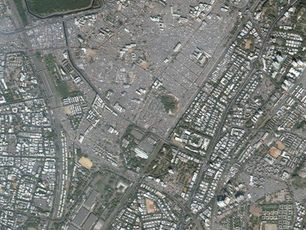
Crop Monitoring: GeoAI is being used in crop monitoring to provide real-time information on crop growth and yield. By analyzing satellite imagery, AI models can provide insights into the health and growth of crops. This can aid in detecting and managing pests, diseases, and other issues that may affect crop yield.
Crop Yield Prediction: GeoAI is being used in crop yield prediction to provide accurate estimates of future crop yields. By analyzing geospatial data on climate, soil, and vegetation, AI models can provide insights into the expected crop yield for a given season. This can aid in decision-making, such as planning for market demand, allocating resources, and managing risks.
Soil Mapping: GeoAI is being used in soil mapping to provide detailed information on soil properties. By analyzing geospatial data on soil moisture, texture, and chemistry, AI models can provide insights into soil health and fertility. This can aid in decision-making, such as determining the best crop varieties for a given soil type and managing soil erosion.
Crop Disease Detection: GeoAI is being used in crop disease detection to identify diseases early and prevent crop damage. By analyzing geospatial data on crop health and growth rates, AI models can detect anomalies that may indicate the presence of disease. This can aid in decision-making, such as implementing early detection systems, applying pesticides, and managing disease outbreaks.
Overall, GeoAI is revolutionizing crop analytics and transforming agriculture. By providing accurate insights into crop health, growth rates, and yield, GeoAI is helping farmers make informed decisions and manage their crops more efficiently and sustainably. As GeoAI continues to advance, we can expect even more exciting possibilities in crop analytics, leading to a more sustainable and secure future for agriculture.